Funny How to Clean for Electricians
1 / 14
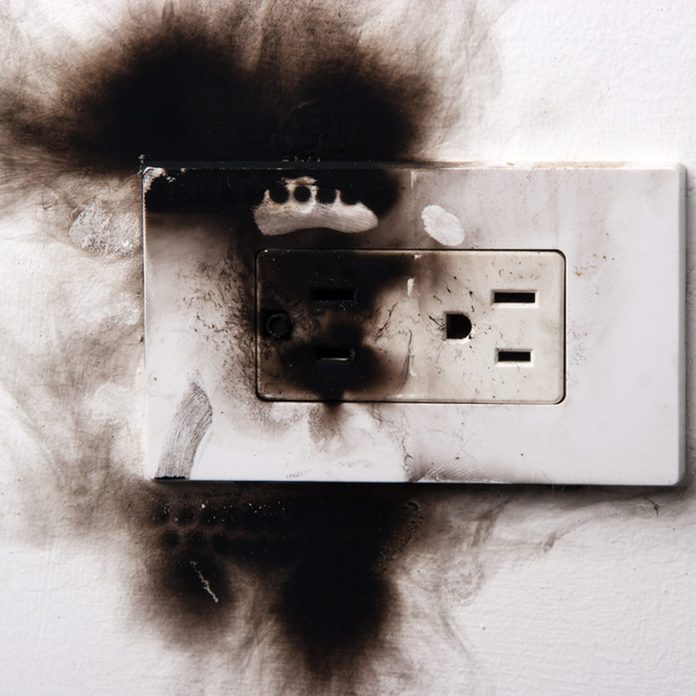
Don't Ignore Warning Signs
Here's the most important thing any electrician will tell you: Never, ever ignore the warning signs of problems in your electrical system. Whether it's a popping noise from an outlet, a light switch that runs extremely hot, or a breaker that won't reset, it's important that you take every issue seriously.
Luckily, most electrical issues can be resolved relatively quickly as long as they're not allowed to fester. There's a reason awareness of electrical issues is a key step in preventing fires in the home.
2 / 14
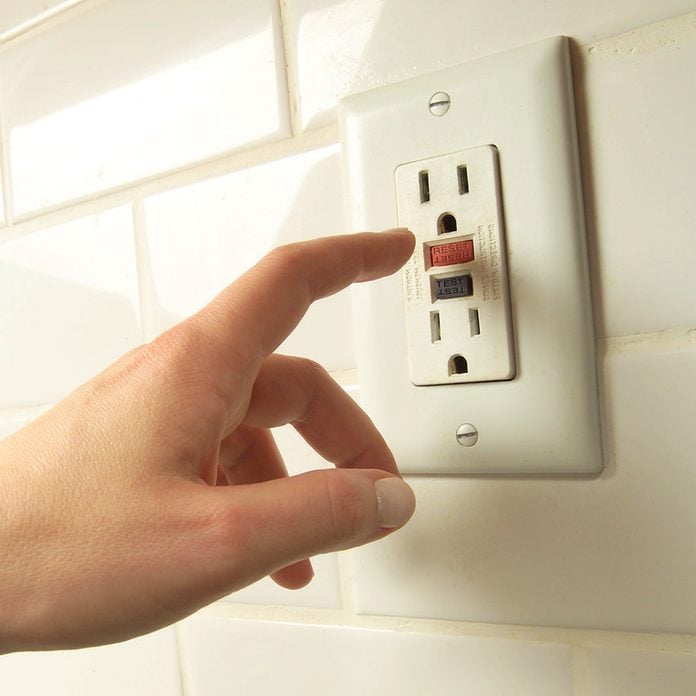
Understand GFCI
Bathroom circuit failures are among the most common service calls electricians get. By code, all outlets within six feet of a water source must be protected by a ground fault circuit interrupt (GFCI). These cut off power if a circuit loses amperage, so GFCIs are most commonly seen in bathrooms and exterior outlets.
A single GFCI device protects everything else "downstream" on that circuit. Because bathrooms are often not on an isolated circuit, a triggered GFCI will kill the power to outlets and lights that may seem unrelated. And things can be even more confusing when the GFCI is installed at the electrical breaker box itself.
This service call is especially common for outdoor circuits and in homes where multiple bathrooms are on a single circuit.
3 / 14
Watch this video to learn what you should do when you find a dead outlet:
4 / 14

Overhead Power Lines Are Live!
Overhead lines are normally NOT insulated. When you see birds or squirrels on them, they are only alive because they aren't completing a circuit by touching the ground or offering the current an easier path than following the cable itself.
Most outdoor power lines are weather coated at most, with no insulation other than spacers at utility poles. Because they are so high above the ground, this isn't an issue unless the lines fall, or a worker comes into contact with them while trimming a tree. And while lines that could be touched from a rooftop or tree are insulated, that insulation degrades over time, eventually crumbling and revealing bare wire.
Approach all overhead lines knowing they are dangerous. Any problems are best left to a licensed electrician or utility worker.
5 / 14

Know Your DIY limits
The DIY mindset is wonderful thing. It's a great way to learn about your home and develop your skills and self-reliance. But it's just as important to know the boundaries and limitations of your skills.
If you are a DIY newbie, only work on electrical components outside of the wall. As you develop your skills as an amateur electrician, you can do more advanced work, including fishing cable and adding outlets if your local building department allows it. The problem arises when DIY enthusiasts with more enthusiasm than experience tackle an electrical project, then bury their less-than-perfect work behind a layer of drywall.
Working with wiring outdoors is a great intermediate step, since much of the work is easily accessed during the troubleshooting stage.
9 / 14
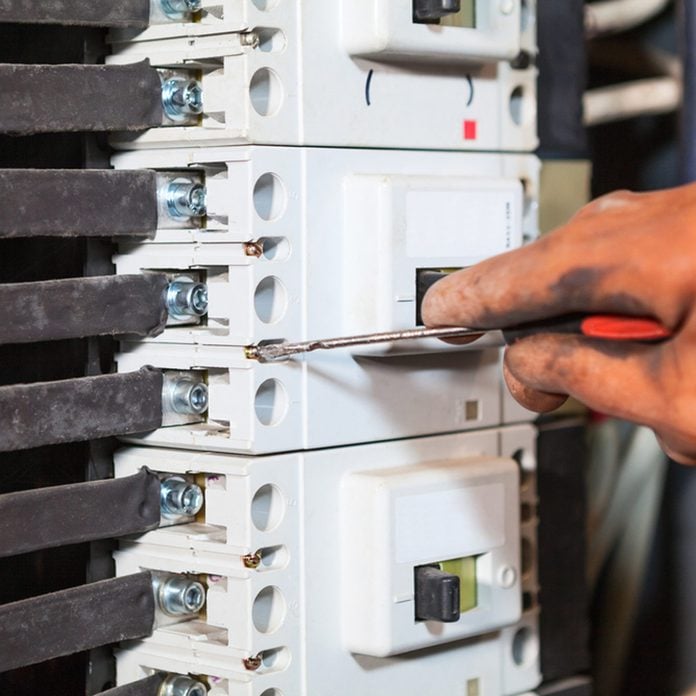
Protective Gear Is Only Protective if it's Properly Made
Many people know that rubber is a great insulator, and so sometimes DIYers wrap themselves in rubber boots and gloves before tackling electrical issues. The problem is, most household rubber isn't pure. To keep the price down, manufacturers mix in additives that increase durability. If you're relying on rubber to keep you safe from an electrical charge, make sure you're using actual safety gear.
Have you ever seen a TV show or film where an electrical line falls on a car but the passengers stay safe? That's actually accurate, because the tires are such good conductors. The electricity takes the path of least resistance, traveling to the ground through the tires and bypassing the interior completely.
Take a tip from your electrician and make quality insulators part of your standard kit of protective gear.
10 / 14
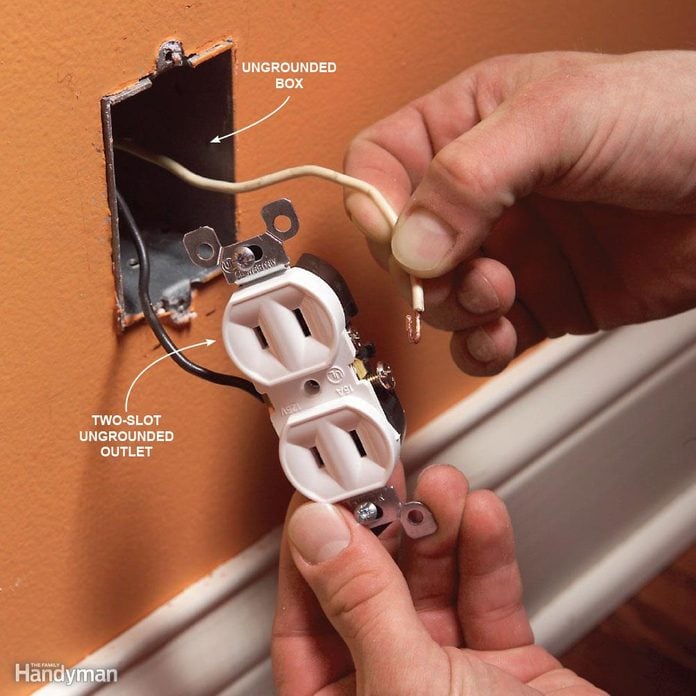
You Can't Install a Three-Slot Receptacle Without a Ground Wire
If you have two-slot outlets, it's tempting to replace them with three-slot outlets so you can plug in three-prong plugs. But don't do this unless you're sure there's a ground available.
Use a tester to see if your outlet is grounded. A series of lights indicates whether the outlet is wired correctly or what fault exists. These testers are readily available at home centers and hardware stores. If you discover a three-slot outlet in an ungrounded box, the easiest fix is to simply replace it with a two-slot outlet as shown.
12 / 14
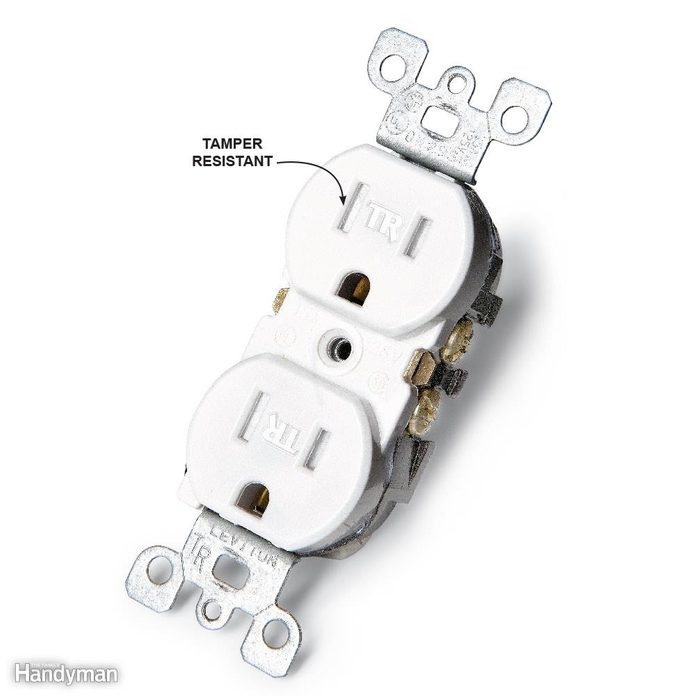
You Should Definitely Consider Tamper-Resistant Receptacles
Tamper-resistant receptacles stop a kid from inserting an object such as a paper clip. They're required for all locations, indoors and out. Tamper-resistant receptacles are a great invention, so use them — it's National Electric Code. We'll show you how to correctly install a tamper-resistant outlet.
13 / 14
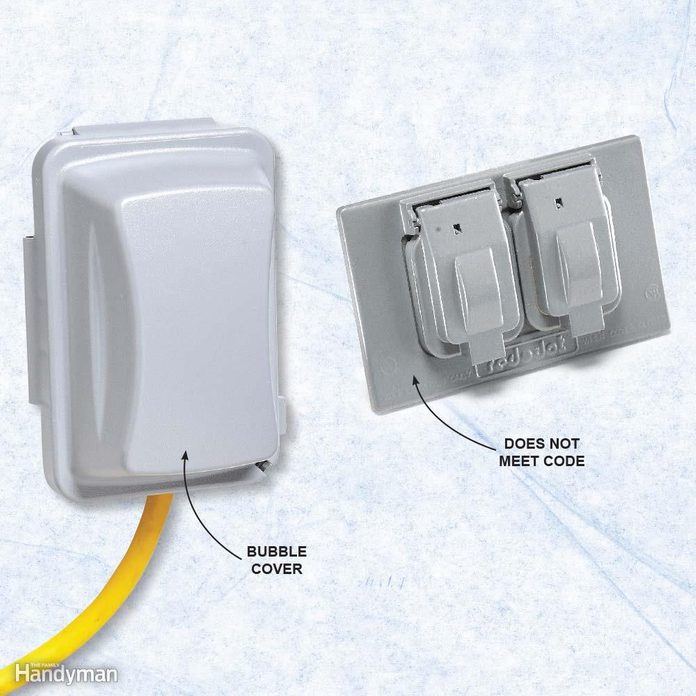
Outdoor Receptacle Covers Matter
On outdoor receptacles, flat covers provide protection only when a receptacle isn't in use. But it's not uncommon for extension cords to be plugged in for extended periods of time — say, for holiday lights. In-use or "bubble covers" provide protection at all times.
The National Electrical Code defines a "wet location" as an area subject to saturation with water or other liquids, and unprotected locations exposed to the weather. If you think the receptacle may get wet, add an in-use cover. And don't forget the weather-resistant receptacle.
The National Electric Code requires all 15- and 20-amp receptacles be rated as weather-resistant and tamper-resistant when installed in both wet and damp locations. Learn how to install outdoor lighting and an outlet here.
14 / 14

You Don't Have To Be an Electrician to Work with Electricity
Many of these tips are cautionary. But they're not intended to scare you away! Many electricians actually are eager to encourage homeowners to learn how to do basic electrical work.
Whether it's something as simple as repairing a cut extension cord or roughing-in the electrical for a new addition, if you have the patience and perseverance to learn a new skill, Family Handyman has the know-how to help you get it done!
Every product is independently selected by our editors. If you buy something through our links, we may earn an affiliate commission.
Originally Published: January 25, 2021
Source: https://www.familyhandyman.com/list/10-things-your-electrician-wants-you-to-know/

Post a Comment for "Funny How to Clean for Electricians"